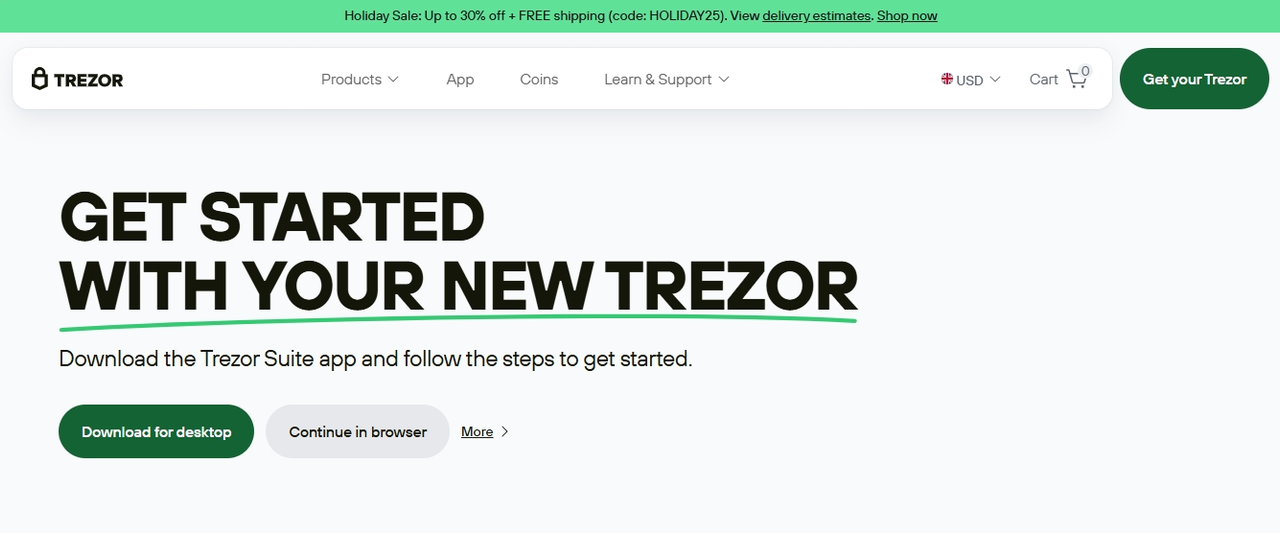
Trezor Login: Securely Access Your Crypto Wallet
In today’s digital world, securing your cryptocurrency is more important than ever. With cyber threats constantly evolving, managing your crypto assets safely requires reliable tools. Trezor, one of the most trusted hardware wallets in the market, provides an excellent solution for storing and accessing digital currencies securely. One of the most critical aspects of using Trezor is the login process, which ensures that only authorized users can access the wallet and manage their funds. In this article, we will explore the Trezor login process, its features, and best practices for staying safe while accessing your wallet.
What is Trezor?
Trezor is a hardware wallet designed to securely store cryptocurrency offline. Unlike software wallets that rely on internet-connected devices, Trezor keeps your private keys on a physical device, minimizing the risk of hacking. Trezor supports a wide range of cryptocurrencies, including Bitcoin, Ethereum, Litecoin, and many more. It also integrates with various wallet interfaces, making it convenient to manage multiple assets from a single device.
The wallet’s emphasis on security, simplicity, and transparency has made it one of the most popular hardware wallets worldwide. However, the first step in leveraging Trezor’s security is understanding how to log in safely and efficiently.
How Trezor Login Works
Logging into a Trezor wallet is different from a typical online login. Unlike conventional accounts that use usernames and passwords, Trezor relies on a physical device and PIN code, along with a recovery seed for backup. Here’s a step-by-step guide to accessing your Trezor wallet:
Connect Your Trezor Device: Plug the Trezor device into your computer or mobile device via USB. Some Trezor models also support wireless connections for mobile apps.
Open the Trezor Wallet Interface: Visit the official Trezor Wallet website or launch the Trezor Suite application. It is crucial to ensure that you are accessing the official interface to avoid phishing attacks.
Enter Your PIN: Your Trezor device will prompt you to enter a PIN code. This PIN is unique and created when you first set up your device. The PIN entry process is designed to prevent keyloggers from stealing your code, as the device shows a randomized number grid.
Unlock the Wallet: After entering the correct PIN, the wallet will unlock, allowing you to view your crypto balances, initiate transactions, and manage your account.
Two-Factor Verification (Optional): Trezor wallets may also be integrated with third-party platforms that require two-factor authentication (2FA) for an added layer of security.
Security Features of Trezor Login
Trezor emphasizes multiple layers of security to protect your crypto assets. Some key security features include:
PIN Protection: A personal identification number is required for login, preventing unauthorized access even if the device is lost or stolen.
Recovery Seed: During setup, Trezor generates a 24-word recovery seed. This seed acts as a master key to recover funds if the device is lost. It is critical to store this seed offline in a safe place.
No Password Storage: Trezor does not store passwords online, reducing the risk of hacking.
Physical Device Requirement: Accessing your wallet requires the actual Trezor device, making remote hacking nearly impossible.
Best Practices for Trezor Login
To ensure your Trezor login remains secure, consider these best practices:
Use a Strong PIN: Avoid simple sequences like “1234.” Choose a PIN that is unique and difficult to guess.
Keep Recovery Seed Safe: Store your recovery seed offline, in a secure location. Never share it with anyone or store it digitally.
Verify Website URLs: Always access Trezor Wallet via official links to avoid phishing scams.
Update Firmware Regularly: Keep your Trezor device firmware up to date to protect against vulnerabilities.
Limit Sharing of Device Access: Only trusted individuals should have physical access to your Trezor device.
Common Issues During Trezor Login
Even with a secure system, users may encounter login issues. Some common problems include:
Forgotten PIN: If you forget your PIN, you can reset the device using your recovery seed.
Device Not Recognized: Ensure your USB cable is functioning, or try connecting to a different port or computer.
Phishing Attempts: Always double-check that you are on the official Trezor website before logging in.
Conclusion
Trezor login is designed to provide a secure gateway to your cryptocurrency assets. By combining physical device authentication, PIN codes, and recovery seeds, Trezor ensures that your digital assets remain safe from online threats. Understanding the login process, adhering to best practices, and staying vigilant against potential scams are crucial steps for every Trezor user. With proper use, Trezor login offers peace of mind and secure access to your crypto portfolio, making it one of the most trusted tools in the cryptocurrency world.