Trezor Login: Secure Access to Your Cryptocurrency Wallet
Accessing your cryptocurrency wallet safely is one of the most important steps in managing your digital assets. Trezor, a leading hardware wallet provider, has designed a secure and user-friendly login process that ensures your cryptocurrencies remain safe from hackers and unauthorized access. In this guide, we’ll walk you through the Trezor login process, security measures, troubleshooting tips, and best practices for keeping your wallet secure.
What is Trezor?
Trezor is a hardware wallet that allows users to store, send, and receive cryptocurrencies offline. Unlike software wallets that are vulnerable to malware or phishing attacks, Trezor keeps your private keys offline, ensuring maximum security. Trezor supports a wide range of cryptocurrencies, including Bitcoin, Ethereum, and many others, making it a popular choice for both beginners and experienced crypto users.
Understanding the Trezor Login Process
Logging into your Trezor wallet is different from traditional online logins. Since your private keys are stored offline on the device, accessing your wallet involves connecting the Trezor hardware device to your computer or smartphone and using the Trezor interface. Here’s a step-by-step guide to logging in safely:
Connect Your Trezor Device
Plug your Trezor device into your computer or compatible mobile device using a USB cable. Ensure you are connecting directly and not through an untrusted USB hub to avoid potential security risks.Open Trezor Suite or Wallet Interface
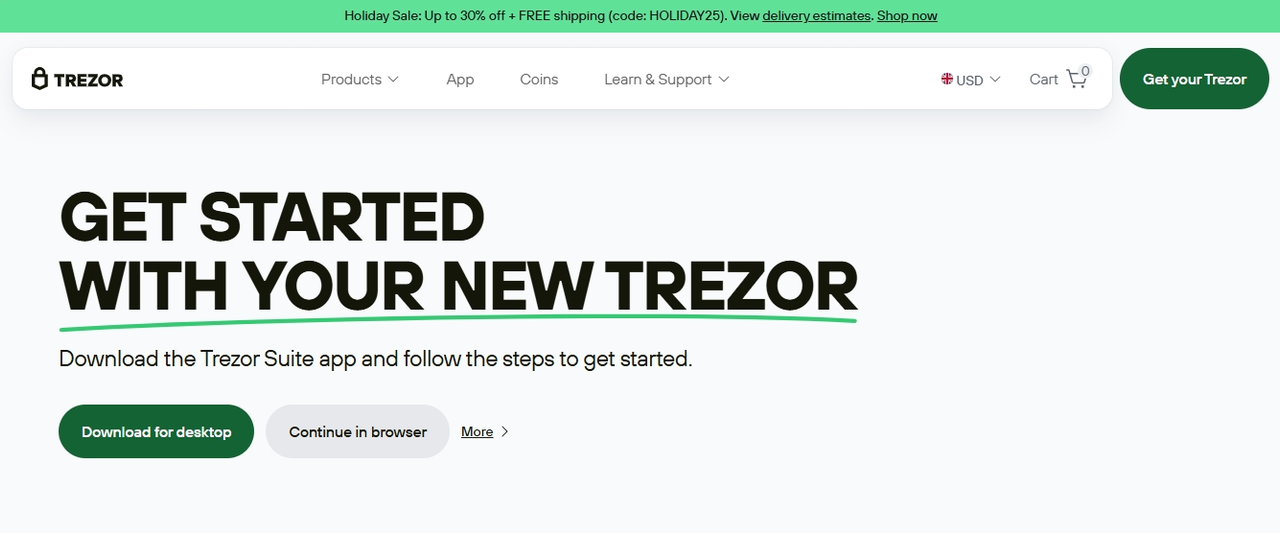
Trezor Suite is the official application for managing your wallet. You can download it from the official Trezor website. Alternatively, you can use compatible third-party wallets that support Trezor devices.Enter Your PIN
Your Trezor device requires a PIN to authorize access. This PIN is never transmitted to your computer or stored online. It is entered directly on the device to prevent malware from capturing it. Always memorize your PIN and avoid storing it digitally.Access Your Wallet
After entering the correct PIN, your Trezor wallet will unlock, allowing you to view your balances, send and receive cryptocurrencies, and manage other wallet settings.
Security Measures During Trezor Login
Trezor emphasizes security at every step of the login process. Some key features include:
Offline Private Key Storage: Your private keys never leave the Trezor device, making it extremely difficult for hackers to access your funds.
PIN Protection: Each login requires a device-specific PIN, which adds a layer of physical security.
Passphrase Option: For added security, users can enable a passphrase in addition to the PIN. This acts as a “25th word” for your recovery seed, further protecting your assets.
Recovery Seed Backup: In case your Trezor is lost or stolen, a recovery seed allows you to restore your wallet on a new device. Keep this seed offline and in a safe place.
Troubleshooting Common Trezor Login Issues
Even with a secure setup, users may encounter occasional login issues. Here are some common problems and solutions:
Device Not Recognized: Ensure your USB cable is functional and connected directly to your computer. Try different ports if needed.
Forgotten PIN: You can reset your Trezor device, but this will erase all wallet data. You can restore access using your recovery seed.
Browser or Suite Errors: Always use the latest version of Trezor Suite or a supported browser for web-based access. Clear your cache or reinstall the software if necessary.
Best Practices for Secure Trezor Login
To maximize security and prevent unauthorized access, follow these best practices:
Use a Strong PIN: Avoid simple sequences and use a unique combination.
Enable Passphrase Protection: Adds an extra layer of security on top of your PIN.
Keep Recovery Seed Offline: Never store your recovery seed digitally or share it online.
Update Firmware Regularly: Trezor frequently releases firmware updates that improve security and functionality.
Avoid Public Computers: Never access your wallet from untrusted or public devices.
Conclusion
The Trezor login process is designed to prioritize security without compromising convenience. By understanding the login steps, leveraging built-in security features, and following best practices, you can confidently manage your cryptocurrency holdings. Remember, your Trezor device is only as secure as the precautions you take—keeping your PIN, passphrase, and recovery seed safe is critical for protecting your digital assets.
With proper care and attention, Trezor provides a reliable, secure, and easy-to-use solution for anyone looking to safeguard their cryptocurrency investments.