Trezor Login: A Complete Guide to Accessing Your Cryptocurrency Wallet Safely
In the rapidly evolving world of cryptocurrency, ensuring the safety of your digital assets is a top priority. Trezor, a leading hardware wallet, offers a secure way to store, manage, and access your cryptocurrencies. Understanding the Trezor login process is crucial for both new and experienced users to maintain security while accessing their funds. This guide will walk you through everything you need to know about logging into your Trezor wallet safely and efficiently.
What Is Trezor?
Trezor is a hardware wallet designed to securely store private keys offline, protecting your cryptocurrency from hacks and phishing attacks. Unlike software wallets or exchanges, Trezor keeps your private keys offline, meaning they are never exposed to the internet. This makes it one of the safest ways to manage your digital assets.
Trezor supports a wide range of cryptocurrencies, including Bitcoin, Ethereum, Litecoin, and many ERC-20 tokens. The wallet comes with a companion interface called Trezor Suite, which allows users to manage their assets, check balances, and perform transactions with a user-friendly dashboard.
Why Login Security Matters
The login process for Trezor is more than just entering a password. It involves connecting your hardware device to your computer or mobile device and authenticating with a PIN or passphrase. This multi-layered approach ensures that even if someone gains physical access to your device, your funds remain protected.
Unlike traditional online accounts, there is no “forgot password” option for Trezor. If you lose your recovery seed or forget your PIN, it can result in permanent loss of access to your wallet. Therefore, understanding the proper login process and safeguarding your credentials is essential.
Steps to Log Into Your Trezor Wallet
Logging into Trezor involves several key steps. Here’s a detailed step-by-step guide to ensure you can access your wallet safely:
1. Connect Your Trezor Device
Start by connecting your Trezor hardware wallet to your computer using a USB cable. For Trezor Model T, the device also supports connecting via a USB-C cable. Ensure that the connection is direct and not through an untrusted USB hub to avoid security risks.
2. Open Trezor Suite
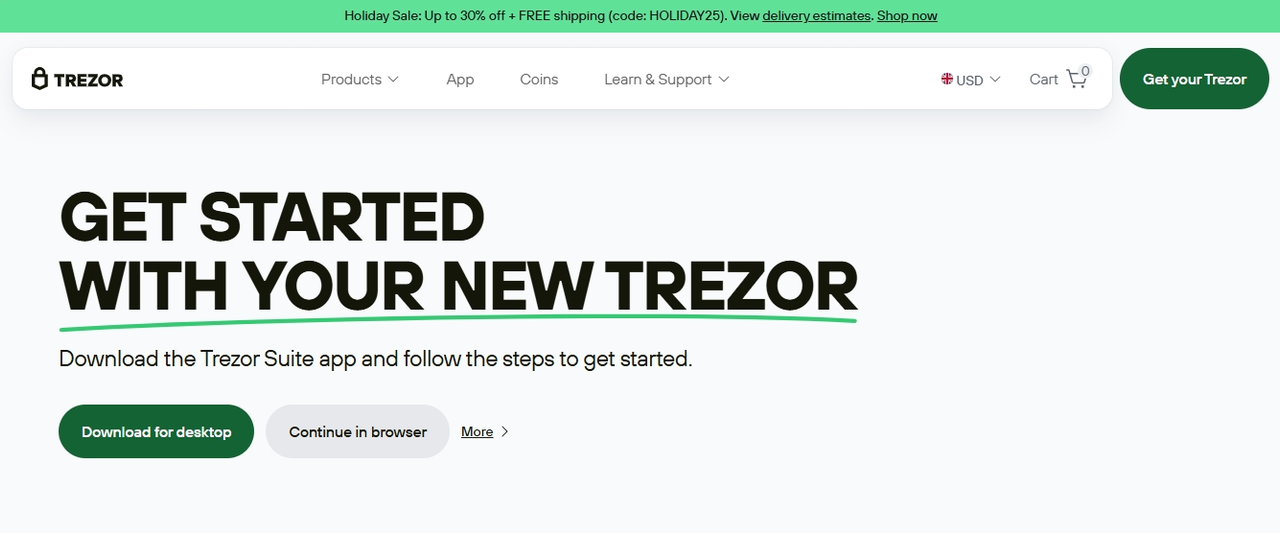
Trezor Suite is the official software interface for Trezor devices. Download the latest version from the official Trezor website and install it on your device. Open the software and follow the on-screen instructions to detect your Trezor wallet.
3. Enter Your PIN
Once your device is detected, you will be prompted to enter your PIN. The PIN is unique to your device and is not stored anywhere digitally. Trezor uses a randomized keypad on the device screen for entering your PIN, which prevents keyloggers from capturing your input.
4. Enter Passphrase (Optional)
If you have set up a passphrase, you will also need to enter it during login. The passphrase acts as an additional layer of security and can create a hidden wallet within your Trezor. This feature is highly recommended for users with large cryptocurrency holdings.
5. Access Your Wallet
After entering your PIN and passphrase, your Trezor wallet will unlock, giving you access to your cryptocurrency balances, transaction history, and wallet management features. From here, you can send or receive funds, check your portfolio, or perform other actions securely.
Common Issues with Trezor Login
Even with a secure device like Trezor, users may encounter login issues. Some common problems include:
Incorrect PIN Entry: Entering the wrong PIN multiple times will temporarily lock your device. Trezor increases the delay after each incorrect attempt to protect against brute-force attacks.
Firmware Outdated: If your Trezor firmware is outdated, the device may fail to connect to Trezor Suite. Always keep your device updated.
USB Connection Problems: A faulty cable or USB port can prevent the device from being recognized. Try a different cable or port if necessary.
Passphrase Forgotten: Without your passphrase, you may not be able to access hidden wallets. Always store your passphrase securely offline.
Tips for a Secure Trezor Login
To maintain maximum security during login, consider the following tips:
Use Official Software Only: Always download Trezor Suite from the official website. Avoid third-party applications that may compromise your security.
Secure Your Recovery Seed: Your recovery seed is the ultimate backup for your wallet. Store it offline and never share it with anyone.
Avoid Public Computers: Never connect your Trezor to a public or untrusted device. This can expose your wallet to malware or hacks.
Enable Passphrase: Adding a passphrase significantly increases wallet security, making unauthorized access nearly impossible.
Keep Firmware Updated: Regular updates ensure that your Trezor device has the latest security features and bug fixes.
Conclusion
Trezor login may seem straightforward, but it is a critical step in protecting your cryptocurrency assets. By following the secure login process, using Trezor Suite, and adhering to best security practices, you can confidently manage your digital currencies without worrying about hacks or unauthorized access. Remember, your wallet’s safety depends on how carefully you handle your PIN, passphrase, and recovery seed. With proper precautions, Trezor provides one of the most secure ways to store and access your cryptocurrency.