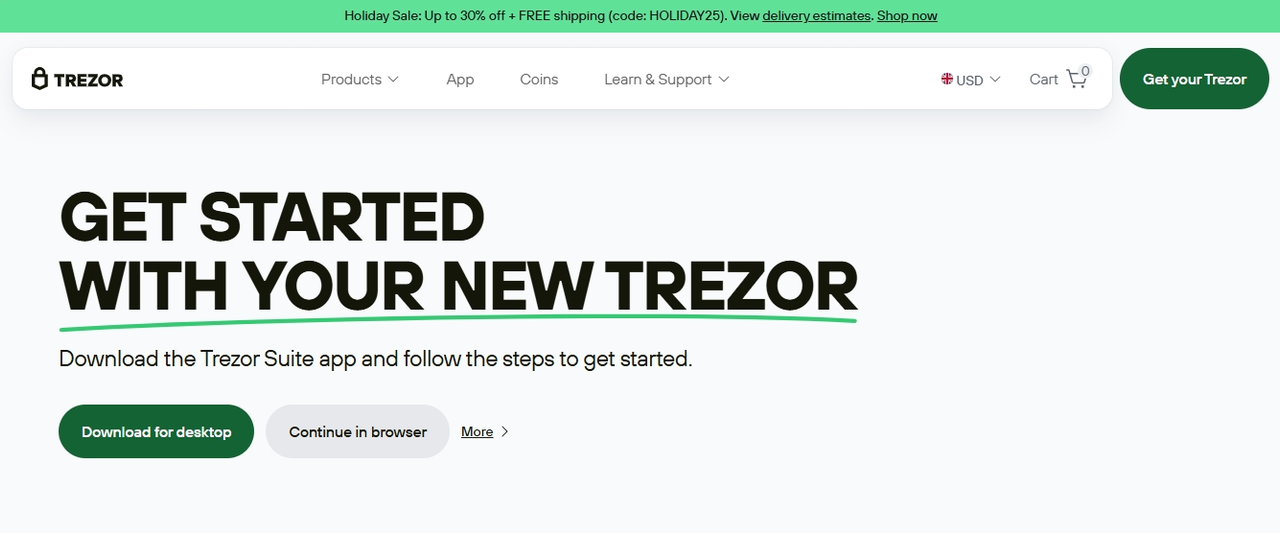
Trezor Login: A Complete Guide to Accessing Your Crypto Wallet Safely
Accessing your Trezor wallet securely is crucial for managing your cryptocurrency holdings. Trezor is a hardware wallet designed to provide maximum security for your digital assets by keeping your private keys offline. This guide will walk you through the Trezor login process, best practices for security, and troubleshooting tips if you encounter any issues.
What is Trezor?
Trezor is a hardware cryptocurrency wallet that allows you to store, send, and receive cryptocurrencies safely. Unlike software wallets, Trezor stores your private keys offline, which makes it much less vulnerable to hacks or malware. There are two main models: Trezor One and Trezor Model T. Both provide secure access to your crypto portfolio, but Model T includes a touchscreen and support for more coins.
Logging in to your Trezor wallet doesn’t involve a traditional username and password system. Instead, it relies on your device and recovery seed, which ensures that only you have access to your funds.
How to Log in to Your Trezor Wallet
Logging into Trezor is a straightforward process, but it’s important to follow each step carefully to maintain security. Here’s how you can do it:
Connect Your Trezor Device
Start by connecting your Trezor hardware wallet to your computer or mobile device using a USB cable. For mobile devices, you may need a USB-C adapter or OTG cable depending on your phone.Open Trezor Wallet Interface
Navigate to the official Trezor Wallet website (https://wallet.trezor.io/) on your browser. Make sure you are visiting the official site to avoid phishing attempts. Never enter your recovery seed online.Enter Your PIN
Your Trezor device is protected by a PIN code. When prompted, enter your PIN using the randomized keypad on your device screen. This prevents keyloggers from recording your PIN.Access Your Wallet
Once your PIN is verified, you’ll have access to your Trezor wallet. You can now view your balances, send or receive cryptocurrencies, and manage your portfolio securely.
Using Passphrase Protection
For an extra layer of security, Trezor allows you to set a passphrase. A passphrase acts as an additional word or phrase added to your recovery seed, creating a “hidden wallet.” Even if someone obtains your recovery seed, they cannot access your wallet without the passphrase.
When logging in, you will be prompted to enter your passphrase if you have enabled this feature. This makes your wallet more secure, especially if you store significant amounts of cryptocurrency.
Security Tips for Trezor Login
Logging in securely is just one part of keeping your crypto safe. Here are some essential tips to maintain wallet security:
Never Share Your Recovery Seed: Your recovery seed is the key to accessing your funds. Treat it like a master key and store it offline in a safe location.
Avoid Public Computers: Always log in from a private device to prevent exposure to malware or keyloggers.
Keep Your Firmware Updated: Trezor regularly releases firmware updates to improve security and functionality. Check for updates before logging in.
Use a Strong PIN and Passphrase: Avoid using obvious numbers or simple words for your PIN or passphrase. Random combinations are more secure.
Verify URLs: Always ensure you are visiting the official Trezor website to avoid phishing scams.
Troubleshooting Trezor Login Issues
Sometimes users may face difficulties logging into their Trezor wallets. Here are common issues and how to solve them:
Device Not Recognized: If your computer doesn’t detect your Trezor, try reconnecting the device, using a different USB port, or restarting your browser.
Forgot PIN: If you forget your PIN, you can reset your device using your recovery seed. This will restore your funds, but your device settings will be reset.
Passphrase Issues: Make sure your passphrase is entered exactly as you set it, including capitalization and spacing. Even a small mistake can prevent access.
The Importance of Offline Security
One of Trezor’s biggest advantages is keeping private keys offline. Unlike online wallets or exchanges, which can be hacked, Trezor ensures that your keys never leave the device. Logging in on your Trezor hardware wallet provides peace of mind that your funds are protected from digital attacks.
Conclusion
Logging into your Trezor wallet is simple but requires careful attention to security practices. By using your hardware device, PIN, and optional passphrase, you can safely manage your cryptocurrency portfolio while minimizing the risk of theft. Always keep your recovery seed secure, verify URLs before logging in, and stay up to date with firmware updates to ensure your wallet remains protected.
Trezor offers one of the most secure methods to store cryptocurrencies, and proper login procedures are the first step in maintaining that security. Following the tips outlined here will help you access your funds safely and confidently.