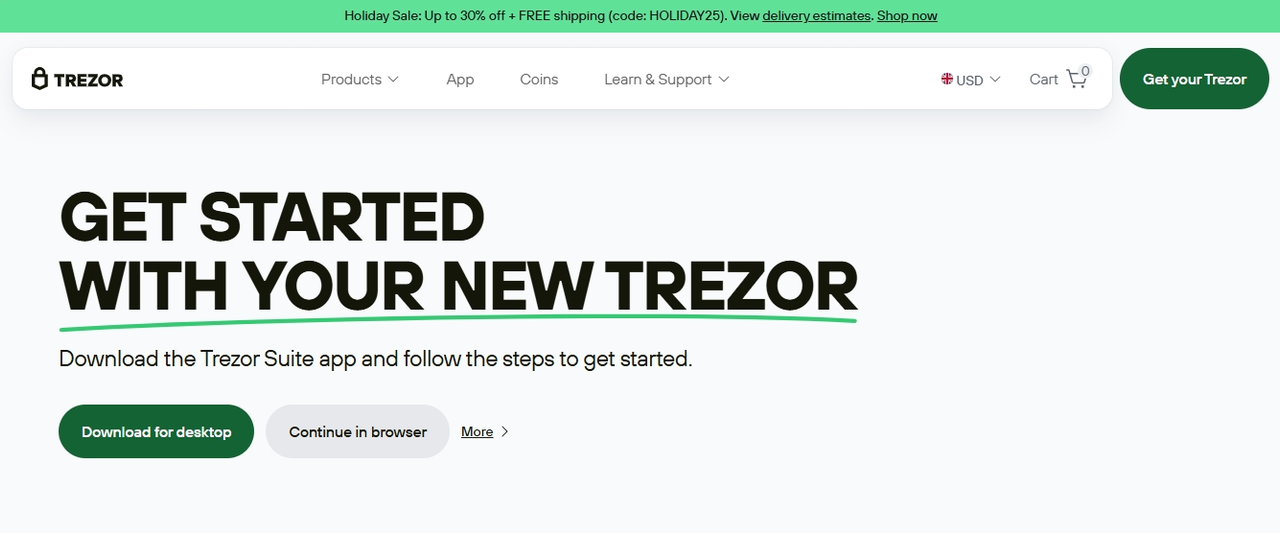
Trezor Login: How to Access and Secure Your Cryptocurrency Wallet
Trezor has become one of the most trusted names in cryptocurrency hardware wallets, providing a secure way to store and manage digital assets offline. Whether you are a seasoned crypto investor or just starting out, knowing how to log in to your Trezor wallet safely is crucial. In this guide, we’ll walk you through the Trezor login process, security best practices, troubleshooting tips, and additional features that enhance your wallet experience.
What is a Trezor Wallet?
Trezor is a hardware wallet designed to keep your cryptocurrencies safe from online threats such as hackers and malware. Unlike software wallets that are connected to the internet, Trezor stores your private keys offline, reducing the risk of theft. Trezor wallets support multiple cryptocurrencies, including Bitcoin, Ethereum, Litecoin, and many more, making them a versatile solution for anyone managing digital assets.
Why Secure Login is Important
Logging into your Trezor wallet securely is more than just accessing your funds—it protects your digital wealth. A secure login ensures that your private keys, which are essential for managing cryptocurrencies, are not exposed to phishing attacks or malicious software. By following best practices, you reduce the risk of unauthorized access and ensure your crypto assets remain safe.
How to Log In to Trezor
Logging into Trezor is slightly different from traditional online accounts because it involves both hardware and software verification. Here’s a step-by-step guide:
Connect Your Trezor Device
Plug your Trezor hardware wallet into your computer using a USB cable. Make sure your device is genuine and purchased from an official source to avoid counterfeit risks.Visit Trezor Wallet Interface
Go to the official Trezor Wallet website at https://wallet.trezor.io. It is important to type the URL directly into your browser rather than clicking links from emails or messages, as phishing sites may look identical.Enter Your PIN
Your Trezor device will prompt you to enter a PIN. The device displays a randomized grid on the screen, and you select numbers on your computer interface according to this grid. This ensures that your PIN is never directly typed into the computer, adding an extra layer of security.Access Your Wallet
Once the correct PIN is entered, you can access your Trezor wallet. From here, you can check your balances, send or receive cryptocurrencies, and manage multiple wallets.
Security Tips for Trezor Login
Even with a hardware wallet, it’s important to adopt strong security practices:
Keep Your Recovery Seed Safe: Trezor generates a recovery seed when you first set up your wallet. This 24-word phrase is essential for recovering your funds if your device is lost or stolen. Never share it online or store it digitally.
Use a Strong PIN: Avoid simple sequences like
1234or your birthdate. A strong PIN enhances device security.Verify URLs and Devices: Always ensure you are on the official Trezor website and using a genuine Trezor device.
Update Firmware Regularly: Trezor periodically releases firmware updates to fix bugs and improve security. Make sure your device firmware is up-to-date.
Avoid Public Wi-Fi: While Trezor itself is secure, logging in from public or untrusted networks can increase risks.
Troubleshooting Common Login Issues
Some users may experience login issues, such as:
Device Not Recognized: Try a different USB port or cable. Restart your computer and reconnect your Trezor.
PIN Forgotten: If you forget your PIN, you will need your recovery seed to restore access.
Firmware Update Required: If the wallet interface prompts for a firmware update, follow the instructions carefully to avoid losing access.
Additional Features After Login
After successfully logging in, Trezor offers several features beyond sending and receiving cryptocurrencies:
Portfolio Management: Track the value of all your assets in one place.
Exchange Integration: Trezor supports third-party exchanges that allow you to swap cryptocurrencies directly from your wallet.
Password Management: Trezor Password Manager lets you securely store and generate passwords for other online accounts.
Two-Factor Authentication (2FA): Enhance security for online services using your Trezor as a physical authentication key.
Conclusion
Logging in to your Trezor wallet is more than a simple authentication step—it’s a crucial part of safeguarding your cryptocurrency investments. By following the proper login steps, adopting strong security practices, and staying vigilant about phishing threats, you can confidently manage your digital assets. Remember, your Trezor device is only as secure as the habits you maintain, so always prioritize safe access and careful management.